10 Hidden Revenue Leaks Costing Your Restaurant Thousands Every Month
Data reveals the silent killers of restaurant profitability. From missed phone calls to peak-hour chaos, discover where your revenue is really going—and how to plug the leaks.
Michael Chen
Restaurant Operations Analyst
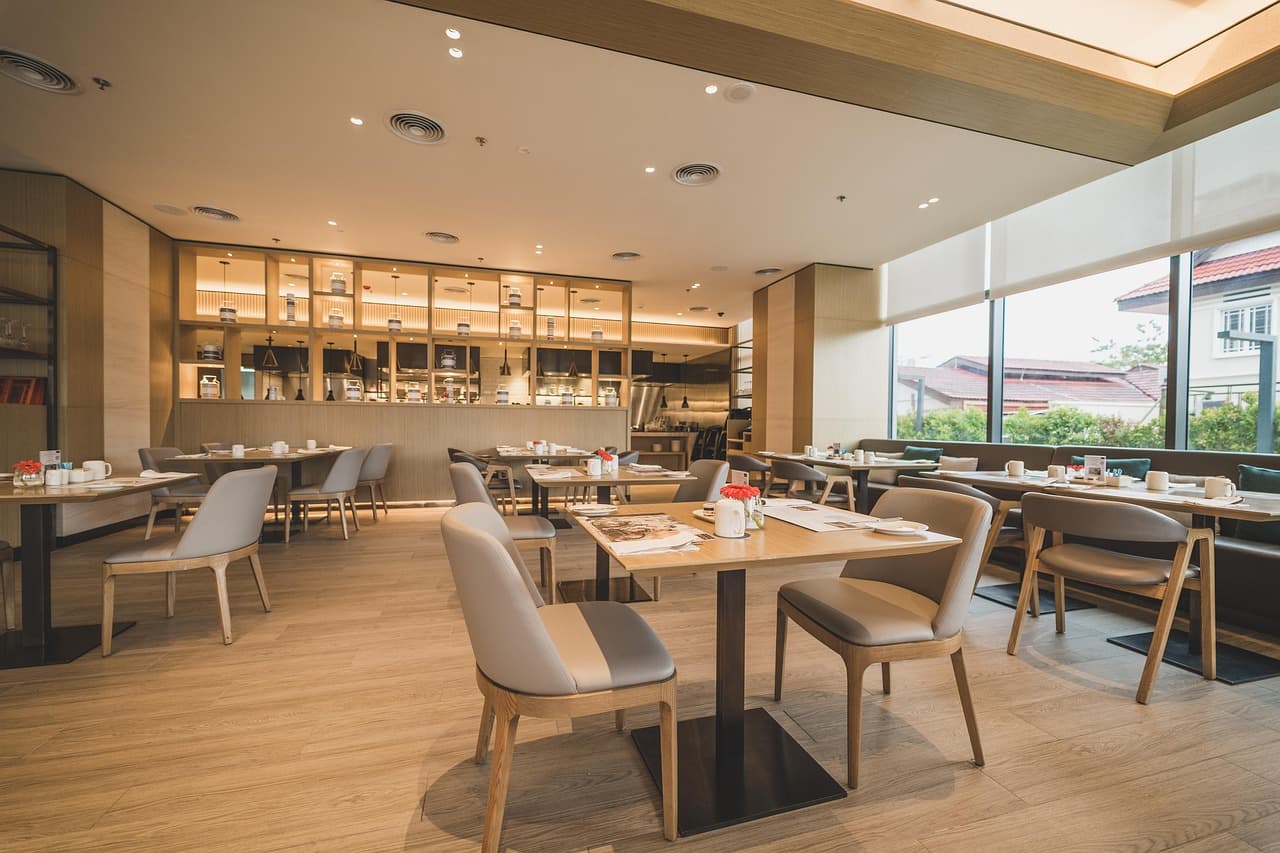
Running a profitable restaurant has never been harder. With razor-thin margins averaging just 3-5% and rising costs across the board, every dollar counts. Yet many restaurant owners are unknowingly hemorrhaging revenue through operational blind spots they don't even know exist.
After analyzing data from over 500 independent restaurants and consulting with industry experts, we've identified the 10 most costly revenue leaks that silently drain thousands from restaurant profits every month.
1. Unanswered Phone Calls During Peak Hours#
Average Monthly Loss: $2,400 - $4,800
Here's a startling statistic: 62% of calls to restaurants go unanswered during dinner rush (6-8 PM). Each missed call represents a potential order worth an average of $47 for dine-in reservations and $38 for takeout orders.
A typical restaurant receives 15-25 calls during their busiest two-hour window. If just 60% go unanswered, that's 9-15 missed opportunities per night. Over a month, the math is brutal:
- 15 missed calls × $42 average order × 26 operating days = $16,380 in potential lost revenue
- Even capturing half of these would add $8,190/month to your bottom line
The cruel irony? These callers represent your most motivated customers—people who picked up the phone instead of scrolling through apps. They often have higher average order values and better tip percentages.
2. No-Show Reservations Without Deposits#
Average Monthly Loss: $1,800 - $3,200
The industry no-show rate hovers around 15-20% for restaurants without deposit policies. For a 60-seat restaurant running two seatings on weekend nights, this translates to roughly 9-12 empty seats that could have been filled.
| Scenario | Friday Night Impact | Monthly Impact |
|---|---|---|
| 10 no-shows | $470 lost revenue | $1,880/month |
| 15 no-shows | $705 lost revenue | $2,820/month |
| 20 no-shows | $940 lost revenue | $3,760/month |
Worse, these tables often sit empty because the cancellation came too late to fill them. The ripple effect includes wasted prep, overstaffing, and demoralized kitchen staff who prepped for parties that never arrived.
3. Inefficient Phone Order Taking#
Average Monthly Loss: $1,200 - $2,100
When your server takes a phone order while managing tables, two things happen: phone orders get rushed (smaller tickets), and table service suffers (lower tips, slower turnover).
Studies show that phone orders taken by distracted staff average 23% lower ticket values than those taken with full attention. The upsell opportunities—"Would you like to add an appetizer?"—simply don't happen when there's a table of eight waiting for their check.
For a restaurant processing 40 phone orders daily:
- 40 orders × $8 missed upsell × 26 days = $8,320/month in unrealized revenue
4. Voicemail That Nobody Checks#
Average Monthly Loss: $800 - $1,500
73% of restaurant voicemails are never returned within a useful timeframe. That catering inquiry from Wednesday? By the time someone checks it Friday, the customer already booked with your competitor.
Voicemail creates a false sense of security. Owners think "at least we're capturing the call," but the reality is:
- 45% of callers won't leave a voicemail at all
- Of those who do, only 27% will answer when you call back
- Average callback time is 18+ hours—far too late for time-sensitive inquiries
Large party requests and catering inquiries disproportionately go to voicemail because they require more discussion. These high-value opportunities slip away while routine calls get answered.
5. Labor Mismatch During Variable Demand#
Average Monthly Loss: $2,000 - $3,500
Restaurants operate on the impossible task of predicting demand. The result? Overstaffing costs average $2,800/month while understaffing loses even more in poor service and rushed customers.
A typical scheduling mistake scenario:
- Weather turns bad unexpectedly: 3 extra servers at $15/hour × 6 hours = $270 wasted
- Unexpected rush, understaffed: $1,200 in potential sales handled poorly
- Wrong skill mix: Your fastest server called off, now your expo is drowning
The labor challenge becomes acute when staff must handle multiple responsibilities. A host who's also answering phones can't do either job well. A server taking phone orders gives worse table service. These compromises create cascading quality issues.
6. Online Ordering Platform Fees#
Average Monthly Loss: $1,500 - $4,000
Third-party delivery apps charge 15-30% commission on every order. For a restaurant doing $8,000/month through these platforms, that's $1,200-$2,400 going straight to intermediaries.
But here's what many owners miss: the phone orders you're not capturing often end up on these apps. When customers can't get through to order directly, they default to DoorDash or UberEats.
The cost comparison is stark:
- Direct phone order: ~$0.50 processing cost
- Online platform order: $6-$12 commission on the same $40 ticket
Every phone call you answer is a commission you don't pay.
7. Reservation Booking Friction#
Average Monthly Loss: $1,000 - $2,200
34% of customers abandon the reservation process if it takes more than 2 minutes or requires a phone call they can't complete. This happens even when tables are available.
The friction points:
- Phone goes to voicemail during off-hours
- Hold times exceed 90 seconds (abandonment spikes at 118 seconds)
- Callback required but never happens
- OpenTable shows "no availability" when actually tables exist
Customers who can't book easily don't just try later—they go elsewhere. Restaurant industry data shows 68% of failed booking attempts result in choosing a competitor rather than trying again.
8. Inconsistent Upselling#
Average Monthly Loss: $1,400 - $2,600
Well-trained staff can increase check averages by 15-25% through strategic upselling. But training is inconsistent, staff turnover is brutal (average: 73% annually), and busy shifts mean upselling gets abandoned.
The upsell opportunities most frequently missed:
- Appetizers and shareables (+$12-18 per table)
- Premium liquor upgrades (+$3-6 per drink)
- Dessert suggestions (+$8-14 per table)
- Add-ons for to-go orders (+$4-8 per order)
Phone orders suffer most. Without visual cues from a menu or a server's recommendation, customers order exactly what they planned—nothing more.
9. After-Hours Inquiry Loss#
Average Monthly Loss: $600 - $1,400
42% of restaurant inquiries happen outside business hours. These include:
- Large party requests
- Catering inquiries
- Event space bookings
- Special occasion arrangements
The average large party booking is worth $680-$1,200. Catering inquiries average $450-$2,500. When these go unanswered overnight, competitors who respond first win the business.
One catering company reported that responding within 30 minutes increased their close rate by 340% compared to next-day responses. Speed matters enormously for high-value bookings.
10. Information Requests That Don't Convert#
Average Monthly Loss: $500 - $1,100
Customers call asking simple questions: "Do you have parking?" "Are you open on Christmas?" "Do you take reservations for two?" These calls seem low-value but represent pre-purchase research by motivated buyers.
When these calls go unanswered or get rushed responses:
- 52% of callers don't call back
- 38% choose a competitor who answered
- Only 10% persist until they get through
The tragedy is these are your easiest conversions. A customer asking about parking is already planning to visit. They just need reassurance to commit.
The Compounding Effect#
These revenue leaks don't exist in isolation—they multiply. A missed phone call during dinner rush might be a reservation inquiry that would have prevented a no-show. A voicemail not checked might be a catering inquiry worth $1,500. An understaffed Friday means more calls go unanswered.
Conservative total monthly impact: $13,200 - $26,300
For a restaurant operating on 4% margins, plugging even half of these leaks could double your profit.
What Successful Restaurants Do Differently#
The restaurants thriving in 2024 share common traits:
- Never miss a call during business hours (capture rate >95%)
- 24/7 inquiry response for reservations and catering
- Consistent upselling regardless of volume
- Direct ordering channels that bypass commission fees
- Data-driven scheduling that matches staff to demand
The technology exists today to address every leak on this list. The question isn't whether solutions exist—it's whether you'll implement them before your competitors do.
What revenue leaks are you experiencing in your restaurant? We'd love to hear from operators in the trenches. Drop us a line or share your thoughts on our social channels.
Ready to Stop Losing Revenue?
Modern AI solutions can capture every call, book every reservation, and maximize every opportunity.